6 Jun 2026
Bitcoin Networks Powering Global Casino Access Through Instant Transactions and Live Interactions

Bitcoin networks continue to reshape how players connect with gaming platforms that operate beyond traditional domestic boundaries, and these systems enable faster transaction processing alongside direct dealer engagements in virtual environments. Platforms utilizing cryptocurrency have expanded their reach since early 2025, with adoption rates climbing as users seek alternatives that bypass local restrictions on account verification and payment methods.
Transaction Speed and Platform Mechanics
Digital currency transfers complete in seconds rather than days, which allows participants to fund accounts and initiate spins or table sessions without waiting periods common in traditional banking channels. Data from industry reports indicates that Bitcoin-based deposits average under two minutes for confirmation on major networks, while withdrawal requests process through automated protocols that release funds directly to user wallets. This efficiency stems from blockchain architecture that eliminates intermediaries and reduces processing layers.
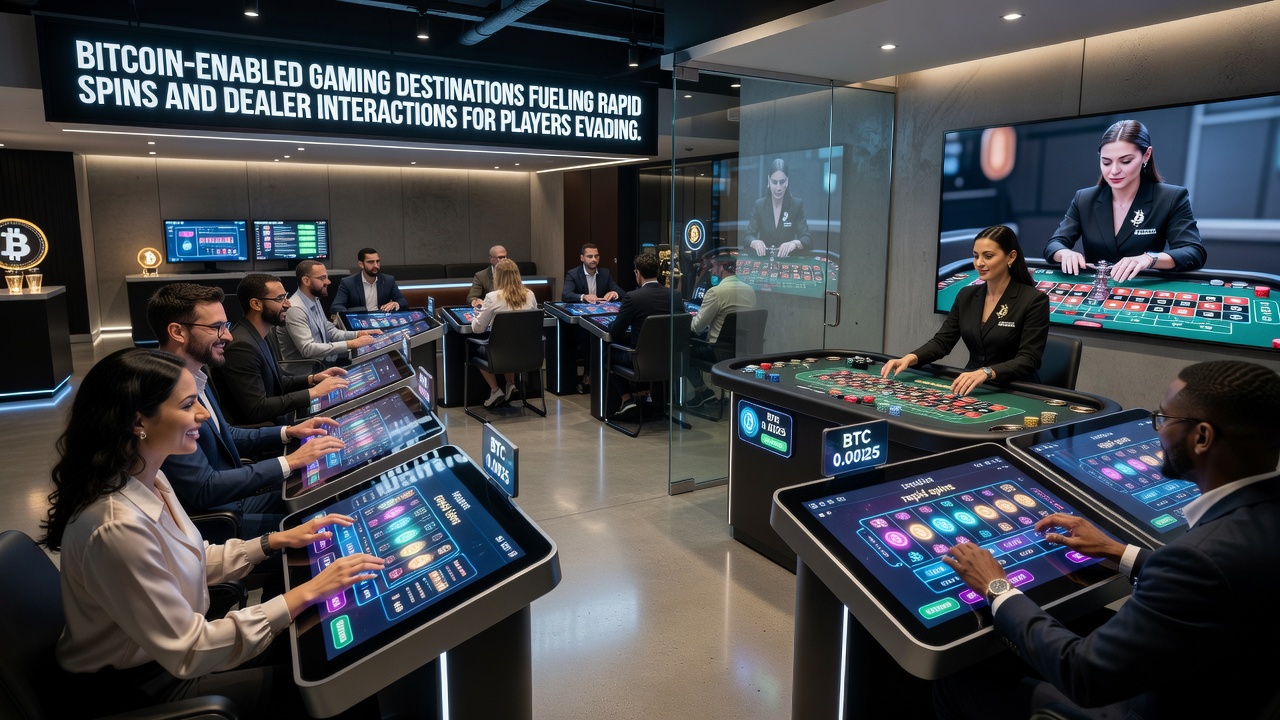
Live dealer features integrate seamlessly with these payment rails, and players interact in real time through video streams that connect to studios in various jurisdictions. Software providers supply the underlying technology, including RNG systems for slot mechanics and HD feeds for card tables, while Bitcoin handles the financial side without currency conversion delays. Observers note that combined systems support continuous play sessions where balance updates occur instantly after each round.
Geographic Expansion and Player Options
Destinations based in regions with favorable crypto regulations have seen increased traffic from users located in countries with stricter domestic controls. Caribbean licensing hubs and certain Asian territories host clusters of operators that accept Bitcoin exclusively, and these venues advertise no mandatory identity checks beyond wallet addresses. Research conducted by academic groups at European universities shows that cross-border participation grew by 28 percent between January and May 2026, driven largely by mobile access and decentralized payment options.
Players access slot libraries and dealer tables through browser-based interfaces or dedicated apps, and the absence of local banking ties removes friction points associated with currency controls. One documented case involved operators launching themed promotions tied to Bitcoin price movements, where bonus rounds activate automatically upon deposit confirmation. Such features maintain engagement levels while complying with the licensing frameworks of their host regions.
Regulatory Landscape and June 2026 Developments
Authorities in multiple jurisdictions updated their stance on cryptocurrency gaming during spring 2026, and new guidelines from bodies like the Malta Gaming Authority clarified reporting requirements for operators handling digital assets. These updates focus on transaction monitoring rather than outright restrictions, allowing licensed entities to continue operations while implementing enhanced record-keeping for large transfers. Canadian provincial regulators released parallel statements emphasizing consumer protection measures that align with existing anti-money laundering frameworks.
Industry associations such as the American Gaming Association published position papers examining how blockchain integration affects market access across borders. Their June 2026 analysis highlighted that Bitcoin-enabled sites report average session times 15 percent longer than fiat-only counterparts, attributed to reduced payment interruptions. Academic studies from Australian research institutions corroborate these patterns through anonymized transaction data shared by participating operators.
Security Protocols and User Considerations
Wallet security remains central to platform design, and operators deploy multi-signature requirements alongside cold storage for reserve funds. Users maintain control over private keys, which shifts responsibility for fund safety to the individual rather than centralized institutions. Encryption standards applied to both financial data and game streams meet or exceed those used in traditional online services, according to technical audits commissioned by licensing bodies.
Participation volumes reflect steady interest in these alternatives, with figures from trade reports showing consistent monthly active user counts through the first half of 2026. Platforms differentiate themselves through game variety and promotional structures that reward frequent Bitcoin activity, such as loyalty points convertible back to cryptocurrency holdings. This ecosystem continues to evolve as network upgrades improve scalability and reduce transaction fees for smaller wagers.
Conclusion
Bitcoin-enabled destinations maintain their position within the broader gaming sector by combining rapid financial processing with established live dealer and slot formats. Growth metrics from multiple regions demonstrate sustained demand among players navigating domestic limitations, while regulatory refinements in 2026 provide clearer operational parameters for licensed operators. The integration of cryptocurrency infrastructure supports ongoing innovation in access methods and interaction styles across global platforms.