21 May 2026
Blockchain Verification: Redefining Security and Trust in Global Mobile Casinos Serving British Users
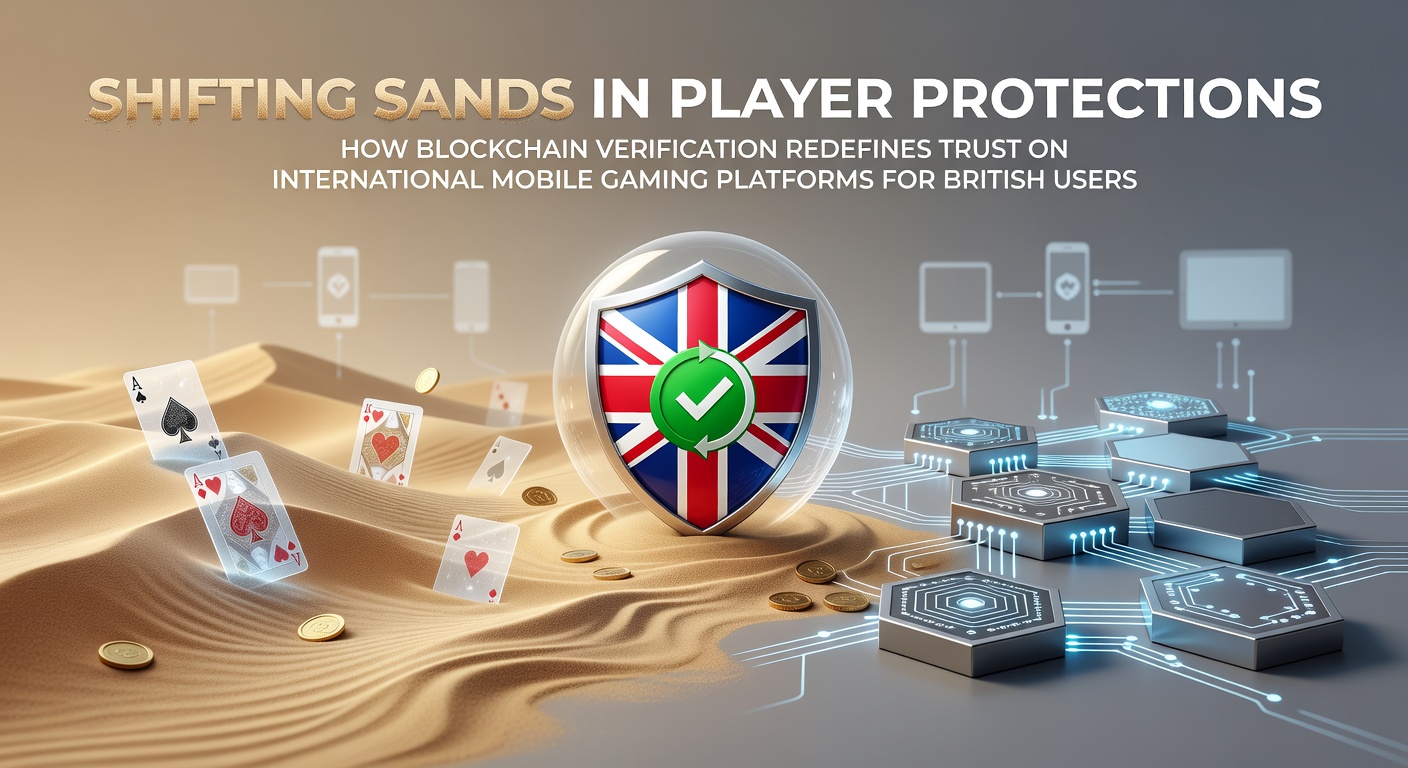
International mobile gaming platforms have started integrating blockchain technology to handle player verification processes, and this shift creates new layers of transparency for participants from the United Kingdom. Research from industry analysts shows that distributed ledger systems record identity checks and transaction histories in immutable formats, which reduces opportunities for data manipulation while allowing users to maintain control over their personal information.
Platform operators deploy smart contracts that automate age verification and compliance checks without storing sensitive details on central servers. Data indicates these contracts execute predefined rules once certain conditions are met, and British players experience faster onboarding compared to traditional document submission methods that often involve manual reviews lasting several days.
Core Mechanisms Behind Blockchain-Based Identity Checks
Decentralized identity frameworks assign cryptographic keys to each user profile, and these keys link to verified attributes such as age and residency status. Observers note that platforms built on networks like Ethereum or specialized gaming chains enable users to share only the minimum required data during registration, which aligns with privacy regulations across multiple jurisdictions.
Studies conducted by academic researchers at institutions in Canada and Australia reveal that zero-knowledge proofs allow verification without revealing underlying personal details. One report published in 2025 highlighted how such proofs cut verification times by up to 70 percent on mobile applications while maintaining audit trails that regulators can examine when needed.
Impact on Transaction Security and Payout Reliability
Smart contract protocols manage deposit and withdrawal functions on many international sites, and transaction records become visible on public ledgers that anyone can inspect. This visibility means disputes over fund movements can reference immutable timestamps rather than relying solely on operator statements.
Figures from payment technology providers indicate that blockchain settlements for gaming credits often complete within minutes rather than hours, and British users accessing these systems report fewer instances of delayed cashouts. Yet platform developers continue to refine gas fee structures to keep costs low during peak usage periods.

Regulatory Context Across Different Regions in May 2026
By May 2026 several European and Asian regulatory bodies had begun evaluating blockchain verification pilots for cross-border gaming activities. Authorities in Malta and Singapore published preliminary guidelines that encourage operators to adopt permissioned ledgers for compliance logging, while Canadian provincial regulators explored integration with existing self-exclusion databases.
Industry associations such as the Asian Gaming Federation released data showing increased adoption rates among operators serving international audiences. These statistics demonstrate how standardized verification protocols help platforms demonstrate adherence to local laws without duplicating identity checks for every jurisdiction.
Practical Examples from Mobile Platforms
One developer based in the Isle of Man implemented a hybrid system combining blockchain records with biometric authentication on its mobile app, and users from the United Kingdom completed full verification cycles in under ninety seconds according to internal metrics shared with trade publications. Another case involved a platform using Polygon network sidechains to store gaming session logs, which enabled rapid dispute resolution when payout queries arose.
Researchers at the University of Nevada documented similar implementations in controlled environments, and their findings suggest that immutable audit trails improve cooperation between operators and oversight agencies during routine examinations. Platforms that adopted these tools early reported measurable reductions in chargeback rates linked to identity mismatches.
Future Developments and Integration Challenges
Scalability remains a primary concern as transaction volumes grow on public blockchains, and developers test layer-two solutions to maintain speed during high-traffic events such as major tournament launches. Energy consumption associated with certain consensus mechanisms also prompts exploration of proof-of-stake alternatives that lower environmental footprints.
Interoperability between different ledger systems presents another hurdle, although consortiums formed by software providers aim to establish common standards by late 2026. British participants stand to benefit once these standards mature, since consistent verification experiences across platforms reduce friction when switching services.
Conclusion
Blockchain verification continues to evolve as a tool that supports transparent record-keeping and streamlined compliance on international mobile gaming platforms. Evidence from multiple regions shows measurable improvements in transaction speed and data control for users who engage with these systems, while ongoing technical refinements address remaining scalability and interoperability issues. As adoption expands, the technology offers a framework that operators and regulators alike can reference when designing future player protection measures.