13 Jun 2026
Caribbean Oversight Bodies Streamline Digital Currency Pathways for British Live Dealer Enthusiasts

Curacao licensing authorities have updated their compliance frameworks to support direct cryptocurrency transfers on platforms offering live dealer experiences, and this adjustment allows British participants to engage with interactive tables without completing conventional identity verification steps that many traditional systems require. Operators licensed under these frameworks now integrate wallet connections that process bitcoin and other digital assets in real time, while the regulatory updates emphasize transaction monitoring through on-chain analytics rather than upfront documentation collection. Data from the Curacao Ministry of Finance shows that approved entities reported a 28 percent increase in active accounts using cryptocurrency during the first quarter of 2026, and similar patterns continued into June when seasonal tourism and international event schedules boosted platform traffic.
Those who track cross-border gaming note that Curacao's approach differs from stricter verification models in other jurisdictions because it relies on automated risk scoring tied to wallet history and transaction velocity. Platforms must still maintain records of suspicious activity reports and share them with local authorities upon request, yet the process does not require every user to submit passport copies or utility bills before gameplay begins. Industry reports from the European Gaming and Betting Association indicate that this model reduces onboarding time from days to minutes for many users, and operators have responded by expanding their live roulette, blackjack, and baccarat offerings to meet rising demand.
Technical Adjustments Behind the Regulatory Update
Curacao regulators collaborated with blockchain analytics providers to establish baseline standards for transaction screening, and these standards require operators to flag patterns such as rapid high-volume transfers or links to previously identified high-risk addresses. The June 2026 guidance clarified that platforms could accept stablecoins alongside major cryptocurrencies provided the tokens maintain documented reserves audited by independent firms, and several large operators immediately added tether and usd coin options to their cashier systems. Live dealer studios integrated these payment rails directly into their software interfaces, allowing players to fund accounts and place wagers within the same session without leaving the game window.
Engineers at multiple Curacao-licensed sites implemented multi-signature wallet architectures that distribute control keys between the operator and third-party custodians, and this architecture satisfies local rules while enabling instant settlement. Observers note that settlement speed matters most for live casino formats because table minimums and maximums change frequently during peak hours, and delays can cause players to miss betting windows. Research conducted by the University of Malta's gaming technology laboratory found that platforms using instant crypto settlement retained users 19 percent longer than those relying on traditional banking rails during comparable testing periods.
Player Experience Changes Documented in Mid-2026
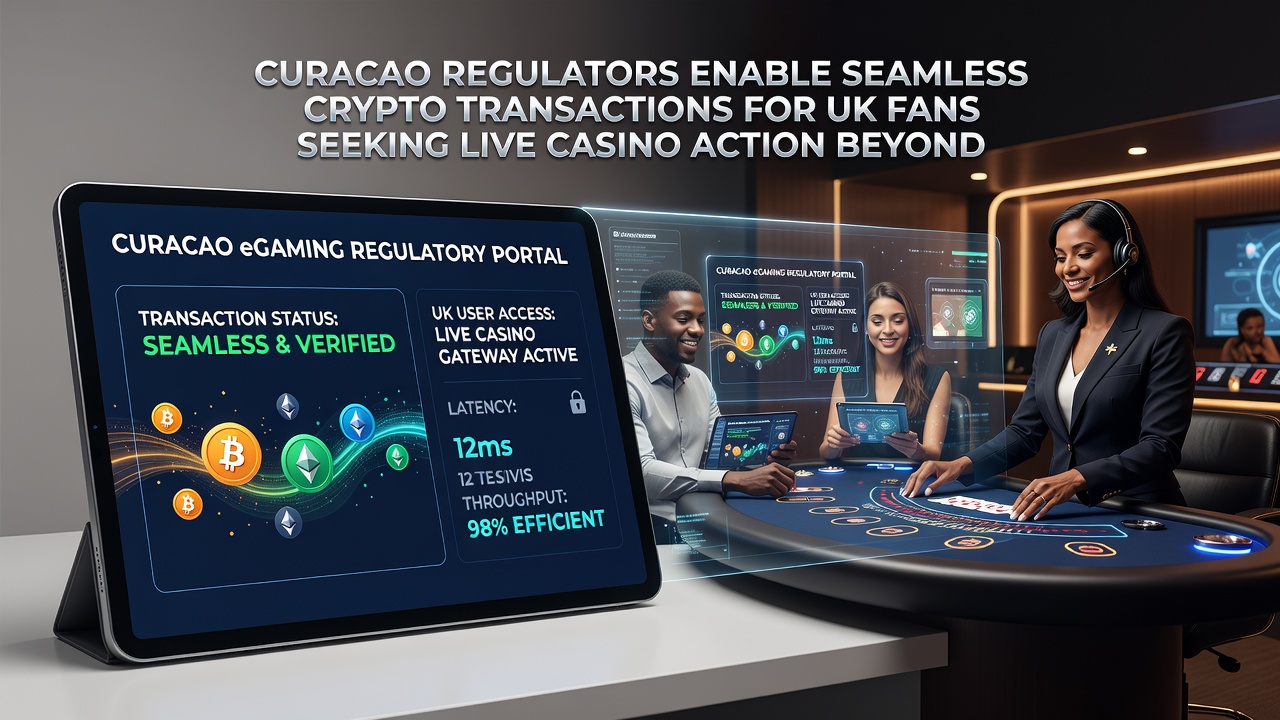
British users accessing these platforms report that account creation now centers on email confirmation and wallet signature rather than lengthy forms, and the streamlined entry allows quicker access to live dealer lobbies featuring professional croupiers and multiple camera angles. Game providers have adjusted their software to display cryptocurrency balances alongside traditional currency equivalents, and automatic currency conversion occurs at the moment of each bet using live exchange rates. One case study published by the Canadian Gaming Association examined three Curacao-licensed sites and recorded average deposit-to-play times dropping below ninety seconds once crypto options activated, while withdrawal processing averaged under four minutes for verified wallet addresses.
Regulatory language requires operators to implement cooling-off prompts and session time reminders even when verification steps are reduced, and these prompts appear in the same interface as the live video feeds. Platforms must also provide downloadable transaction histories in standard formats so users can maintain personal records for tax purposes in their home countries. Figures released by the Australian Communications and Media Authority during a regional review highlighted similar user behavior trends where reduced friction increased session frequency but did not proportionally increase average spend per session.
Compliance Mechanisms and Reporting Requirements
Although verification at sign-up has been minimized, Curacao authorities still mandate ongoing monitoring that includes velocity checks and geographic restrictions for certain payment methods. Operators submit monthly summaries that categorize transaction volumes by asset type and flag any single address exceeding defined thresholds, and these summaries feed into a centralized database maintained by the Curacao Gaming Control Board. The June 2026 circular expanded the list of acceptable analytics vendors to include three additional firms based in Singapore and Switzerland, giving operators more choices for meeting technical standards without increasing costs.
Live dealer games present unique monitoring challenges because bets occur in rapid succession, yet the same on-chain tools used for slots now integrate with table management systems to tag each wager with a unique transaction identifier. This tagging enables regulators to reconstruct sessions if an investigation arises, and it satisfies anti-money laundering expectations without requiring personal data collection from every participant. Trade publications from the Asia-Pacific Gaming Congress documented that platforms adopting these identifiers experienced fewer compliance queries during routine audits compared with previous reporting periods.
Conclusion
Curacao's regulatory evolution continues to shape how cryptocurrency interacts with live casino environments for international audiences, and the June 2026 clarifications built directly on earlier technical guidance to refine monitoring without reintroducing lengthy verification layers. Operators maintain records and share data with authorities when patterns warrant further review, while British participants gain access to real-time dealer interactions funded through digital wallets. The combination of on-chain analytics, stablecoin support, and session management tools creates a framework that balances operational speed with oversight obligations, and ongoing reporting from multiple international bodies will determine how these practices develop through the remainder of 2026 and beyond.