8 Jun 2026
Charting Payment Pathways in Verification-Light Mobile Ecosystems Serving UK Enthusiasts
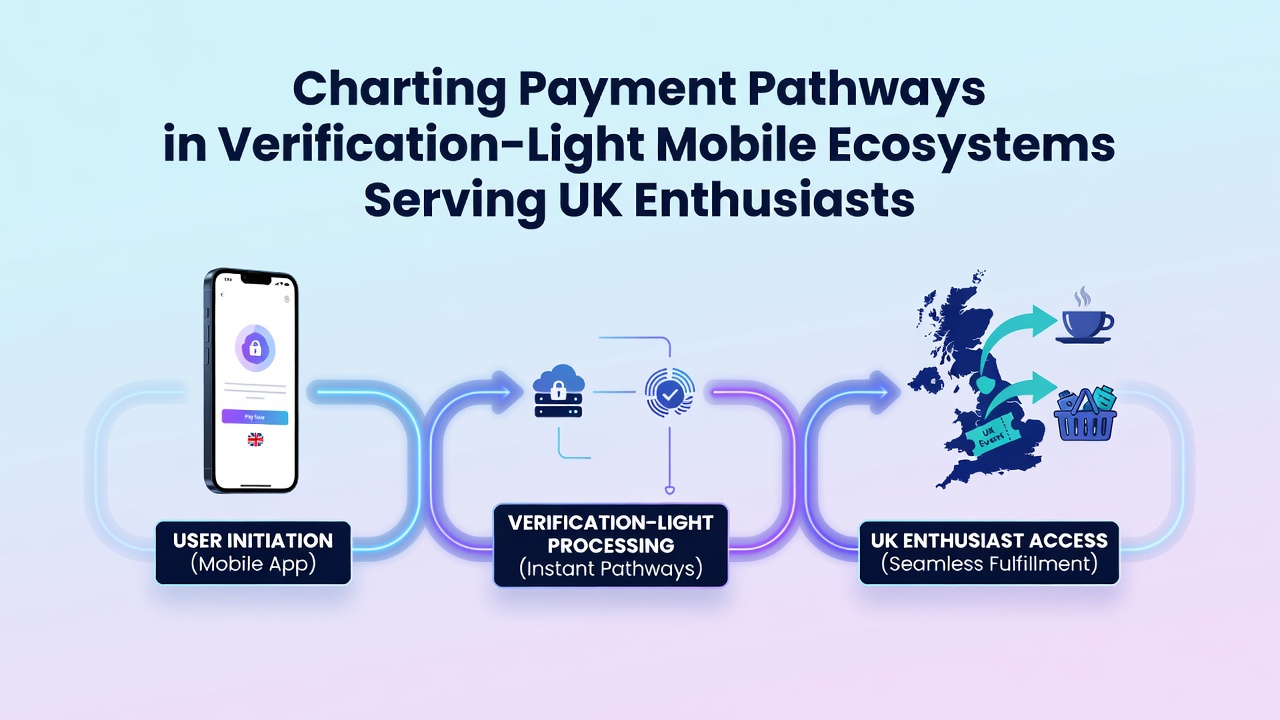
Payment pathways in verification-light mobile ecosystems have evolved rapidly as developers and service providers adapt to user demands for quicker access without extensive checks, and observers note that UK enthusiasts increasingly turn to these streamlined options for digital services ranging from app subscriptions to content platforms. Data from industry reports indicates that simplified verification processes allow transactions to complete in under a minute in many cases while still meeting baseline security standards set by regional frameworks.
Understanding Verification-Light Structures
Verification-light systems reduce the number of identity checks required at signup and during payments, which means users provide basic details such as email and phone number rather than full documentation uploads in most flows, and this approach draws from models tested across multiple jurisdictions. Researchers at institutions like the University of Toronto have documented how such ecosystems balance speed with fraud prevention through device fingerprinting and behavioral analytics instead of traditional document reviews.
Key Payment Methods in Use
Digital wallets dominate these pathways because they integrate directly with mobile operating systems and support instant transfers from linked accounts or stored balances, whereas bank transfers serve as a secondary option for larger amounts when users prefer direct debits over intermediary services. Cryptocurrency options appear in select ecosystems although adoption remains limited to platforms that embed wallet connections for those who prefer decentralized routes.
- Instant wallet top-ups via mobile carrier billing
- QR code scans for peer-to-peer transfers
- Tokenized card details stored on-device
What's interesting is how these methods interconnect so that a single ecosystem can route a transaction through multiple rails depending on user preference and network conditions, and data shows completion rates above 95 percent for verified devices in recent trials conducted by European service providers. Experts have observed that UK users often combine wallet funding with direct bank pulls to manage spending limits without additional verification layers.
Regional Adoption Patterns and Data Trends
Figures from Payments Canada reveal that verification-light models in similar markets have cut average transaction times by 40 percent compared to full-KYC setups, while parallel studies in Australia indicate steady growth in mobile-first ecosystems serving entertainment and productivity apps. Those who've tracked these developments note that UK enthusiasts benefit from cross-border compatibility since many platforms operate under international standards that align with local expectations.
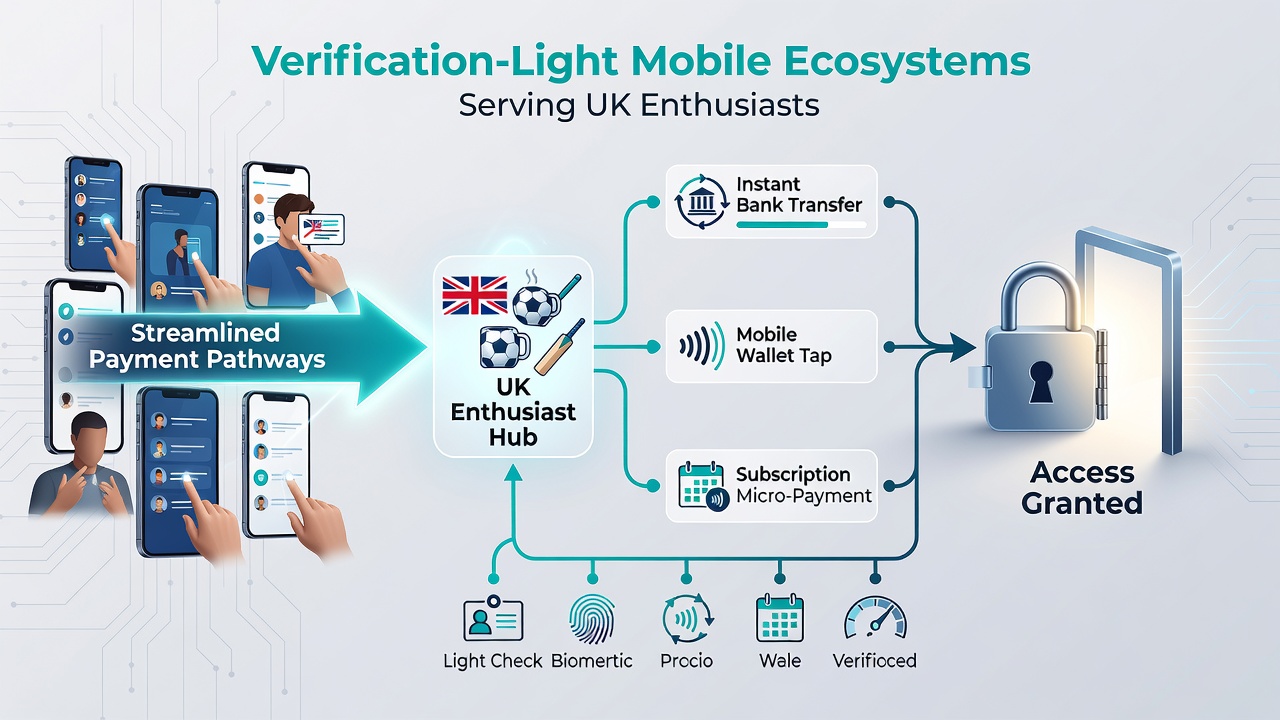
By June 2026 several updates to digital payment guidelines across the EU and UK-aligned frameworks are scheduled to take effect, which should standardize how verification-light platforms report transaction volumes without imposing heavier documentation burdens on routine users. Industry organizations such as GSMA have published projections showing continued expansion of these ecosystems in response to demand for frictionless access.
Security Measures That Support Light Verification
Device-based authentication replaces many manual checks, and multi-factor elements like biometric prompts or location signals add layers without slowing the process, whereas machine learning models flag anomalies in real time to maintain integrity. Observers note that this combination allows platforms to serve UK enthusiasts efficiently while addressing risks identified in earlier full-verification studies.
Take one case where service providers integrated carrier-grade authentication, and transaction success rates improved notably because users no longer needed to re-enter details across sessions. Research indicates that such adaptations reduce drop-off points during checkout, and similar patterns appear in reports covering North American and Asian markets.
Future Directions for Mobile Ecosystems
Developers continue testing hybrid pathways that blend verification-light entry points with optional deeper checks for high-value activities, and this flexibility appeals to UK enthusiasts who value both convenience and control. Academic papers from Australian universities highlight how these models scale across different regulatory environments without compromising core user experience.
One might notice that integration with emerging technologies such as near-field communication upgrades further accelerates these pathways, and evidence suggests broader rollout could occur once standards stabilize post-2026. Service providers monitor adoption metrics closely to refine routing algorithms that prioritize speed alongside compliance.
Conclusion
Payment pathways in verification-light mobile ecosystems continue to shape how UK enthusiasts interact with digital services, supported by data from diverse international sources that track efficiency gains and security outcomes. As frameworks evolve through 2026 and beyond, these systems demonstrate consistent performance across varied use cases while maintaining objective standards for transaction handling.