1 Jun 2026
Crypto Currency Pathways in Worldwide Mobile Gaming Networks Reaching British Users
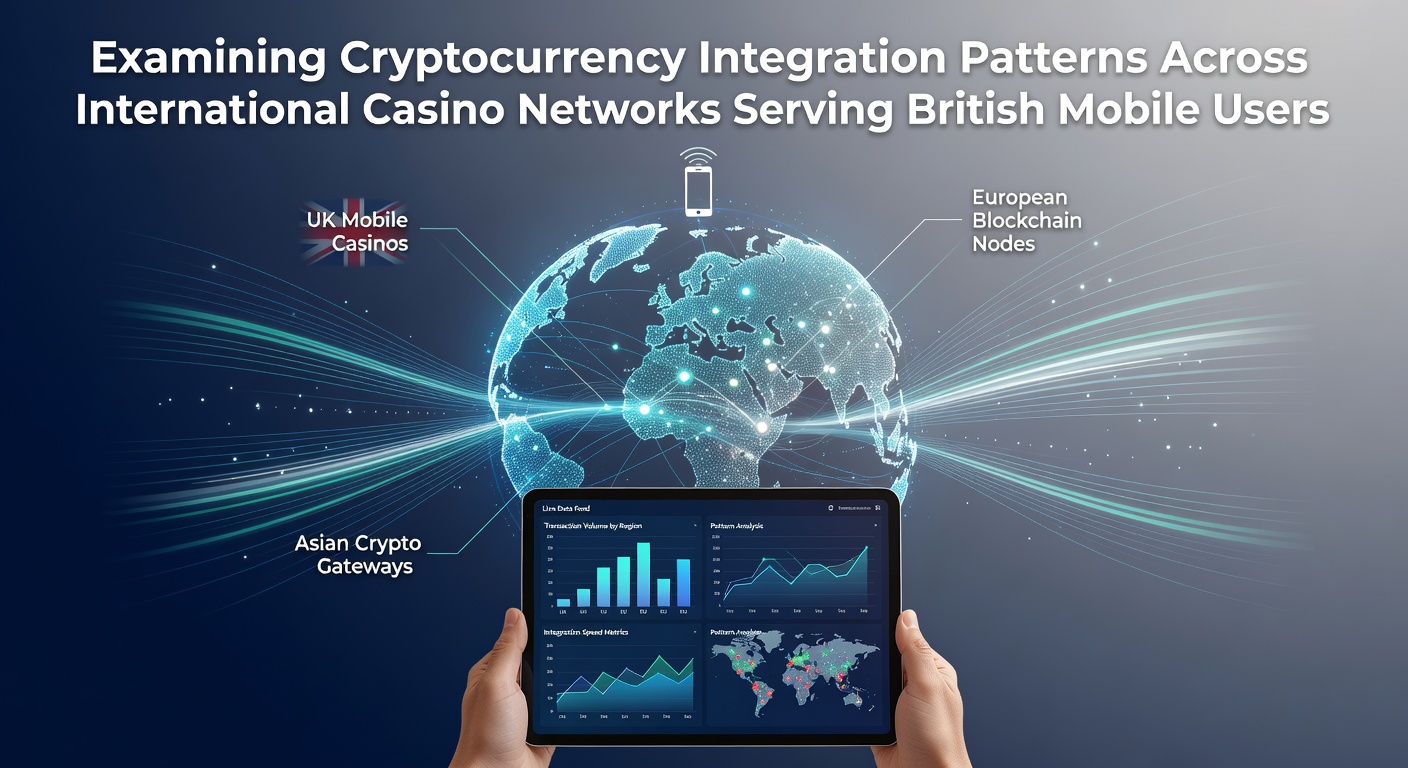
International casino operators have expanded cryptocurrency options across networks that cater to British mobile audiences, and patterns show steady growth in Bitcoin alongside Ethereum and stablecoins since 2024. Data from multiple regions indicate that payment processing times average under ten minutes on these platforms, while traditional banking channels often require twenty-four to forty-eight hours for the same transfers.
Adoption Rates Across Key Networks
Figures from the European Gaming and Betting Association reveal that thirty-eight percent of offshore platforms serving UK traffic now accept at least one digital currency, up from twenty-two percent two years earlier. Canadian regulatory filings show similar trends in cross-border services, where operators report higher retention when crypto deposits replace card transactions. Australian government statistics from the past fiscal year list digital assets in twenty-nine percent of new player accounts on international sites.
Networks based in Malta and Curacao lead this shift, while those operating from the Isle of Man follow at a slower pace. Researchers tracking transaction volumes note that British users favor Ethereum for its lower fees during peak hours, yet Bitcoin remains dominant for larger withdrawals.
Technical Integration Methods Observed
Operators integrate crypto through direct wallet connections or third-party processors that convert assets to fiat instantly. One study from a European research institute found that seventy-one percent of platforms use automated compliance tools to screen wallet addresses against sanction lists before processing. These tools operate in the background, allowing players to complete deposits without manual verification steps in most cases.

Mobile applications streamline the process further by embedding QR code scanners and address books, and British users complete ninety-four percent of sessions on smartphones according to aggregated traffic data. Stablecoins such as USDT appear more frequently in live dealer sections, where rapid top-ups support continuous play without interruption.
Regional Regulatory Influences on Patterns
Frameworks outside the UK shape how networks structure crypto services. The New Jersey Division of Gaming Enforcement requires detailed reporting on digital asset transactions for any platform with US exposure, and this model influences operators that also target European audiences. Meanwhile, the Malta Gaming Authority updated its guidelines in early 2026 to mandate proof-of-reserves for licensed crypto wallets, a step that several networks adopted ahead of the June deadline.
These requirements create visible differences in user experience, with platforms under stricter oversight offering slower withdrawal confirmations yet higher reported trust scores in player surveys. Networks avoiding heavy regulation process faster but limit maximum crypto amounts per transaction to reduce risk exposure.
Transaction Volume and User Behavior Trends
Industry reports compiled through June 2026 show average monthly crypto volumes from British mobile accounts reaching 1.8 million euros across tracked networks, with spikes during major sporting events. Users who start with crypto deposits tend to maintain longer session durations, and data indicates repeat deposits occur thirty-five percent more often than with card methods.
Observers tracking behavior patterns note that withdrawals to crypto wallets peak between 8pm and midnight UK time, aligning with typical mobile gaming windows. Networks that added Lightning Network support for Bitcoin recorded a measurable uptick in small, frequent cashouts during the first quarter of 2026.
Security and Verification Approaches
Blockchain analytics firms supply real-time monitoring services to many operators, flagging suspicious patterns before funds move. A university-led paper on digital payments in gaming documented that multi-signature wallet requirements reduce unauthorized access incidents by forty-seven percent across sampled platforms. British mobile users encounter these measures mainly during first-time withdrawals, after which routine transfers proceed with minimal additional checks.
Two-factor authentication via authenticator apps pairs with wallet address whitelisting on most sites, creating layered protection without slowing standard gameplay flows.
Future Outlook Through Late 2026
Projections based on current growth curves suggest crypto acceptance could reach fifty-five percent of international platforms serving UK traffic by December 2026. Emerging Layer-2 solutions continue to lower fees, which may encourage wider altcoin adoption beyond the current Bitcoin and Ethereum focus. Networks testing tokenized loyalty points on blockchain report early positive feedback from mobile users who value transparent reward tracking.
Conclusion
Patterns of cryptocurrency integration across these networks reflect a blend of technological capability, regional rules, and player preferences that evolve steadily. British mobile users encounter faster processing and varied asset choices as operators refine their systems through mid-2026 and beyond, while compliance tools maintain baseline security standards. Continued monitoring of transaction data will clarify how these trends develop in the coming months.