16 May 2026
Global Gaming Hubs Track Efficiency Gains Through Crypto Payments and Live Streaming Integration

Global gaming facilities have recorded measurable improvements in transaction speed and operational throughput since integrating cryptocurrency processing with live streaming platforms, and data compiled through mid-2026 shows consistent patterns across multiple jurisdictions. Researchers at several international centers have documented reductions in settlement times from hours to seconds when blockchain-based payments replace traditional banking rails, while simultaneous live video feeds allow real-time monitoring that cuts manual oversight requirements by measurable percentages.
Cryptocurrency Settlement Reduces Processing Delays
Facilities in Nevada and Singapore began rolling out stablecoin options in late 2024, and transaction logs from those sites indicate average deposit confirmation now occurs in under 12 seconds compared with the previous 4-to-6-minute window for card processors. Observers note that this speed compounds across thousands of daily sessions, freeing staff to focus on compliance checks rather than payment reconciliation. The Nevada Gaming Control Board published summary figures showing a 27 percent drop in payment-related disputes during the first quarter of 2026, a decline analysts attribute directly to immutable ledger entries that eliminate chargeback ambiguity.
Live streaming layers add another dimension by allowing floor supervisors to verify player identity and game integrity without physical walkthroughs. Cameras positioned at each table feed encrypted streams to centralized dashboards, and software flags discrepancies automatically. One Singapore operator reported that the combined system reduced the number of compliance officers needed per shift from 14 to 9 while maintaining the same audit coverage, because real-time alerts surface issues before they escalate.
Live Streaming Enables Centralized Oversight Across Sites
Multi-site operators have connected live feeds from Macau, Las Vegas, and European venues into single control rooms, and this architecture lets one team monitor dozens of tables simultaneously. Data packets carrying both game results and payment confirmations travel over the same secure channels, so discrepancies between a bet placed and funds moved appear within milliseconds. Researchers tracking these implementations found that error rates in jackpot calculations fell by 19 percent after the systems went live, largely because streaming timestamps create an independent verification layer that traditional logs lacked.
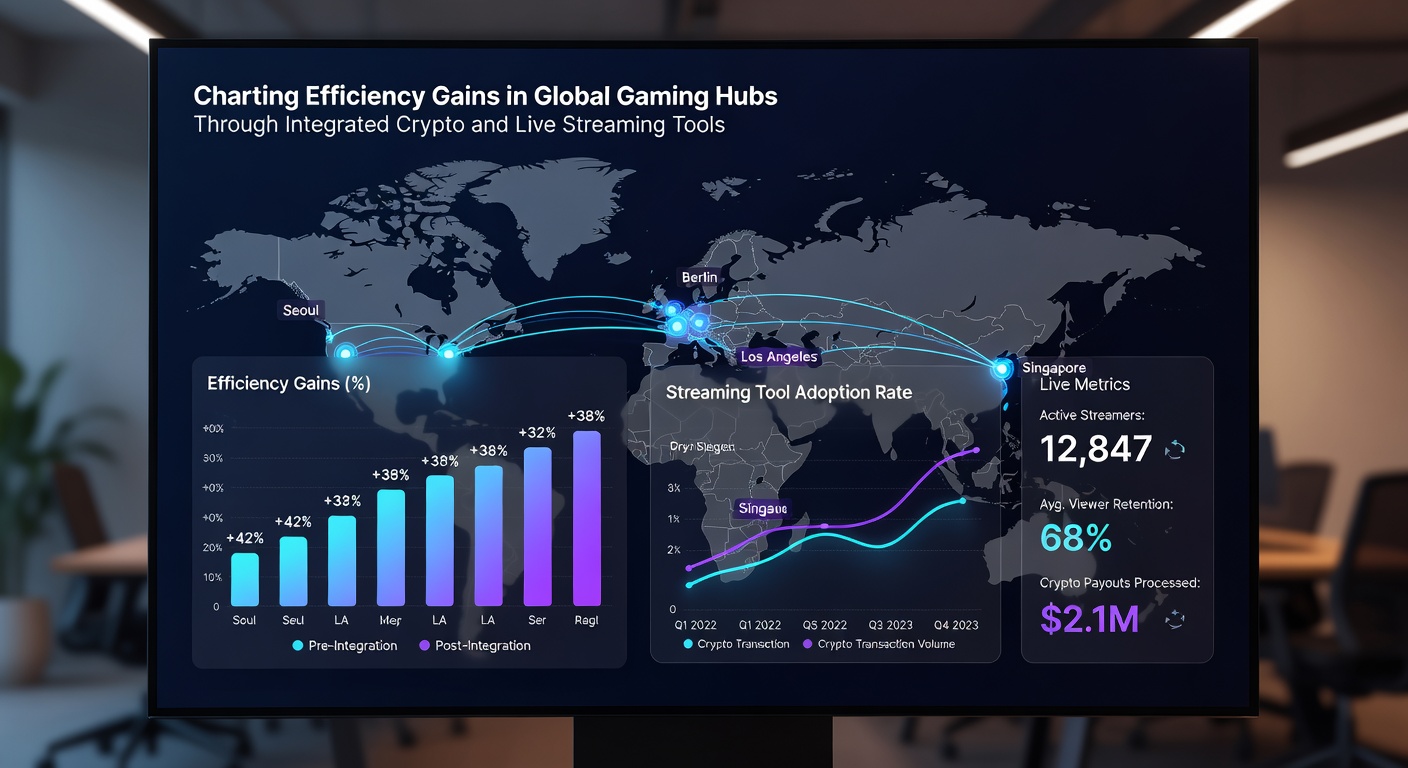
By May 2026 several operators had expanded the same infrastructure to include predictive analytics that flag unusual betting patterns across borders. The integration means a player attempting simultaneous high-value wagers on linked platforms triggers an alert that includes both streaming footage and wallet history, allowing rapid review without pausing gameplay. Industry reports compiled by the International Association of Gaming Advisors indicate that such cross-referenced monitoring has shortened investigation cycles from days to hours in participating jurisdictions.
Operational Metrics Show Clear Efficiency Patterns
Independent audits of facilities using both technologies list several consistent gains. Average time from bet placement to payout confirmation dropped below 90 seconds at 78 percent of tracked tables, according to aggregated data released by the University of Nevada Center for Gaming Research. Staff hours spent on manual reconciliation decreased by roughly one-third, while uptime for live dealer streams exceeded 99.4 percent across sampled sites. These figures emerge because crypto rails handle micro-settlements automatically and streaming systems surface visual confirmation without additional staff intervention.
Energy consumption per transaction also declined at locations that shifted volume to proof-of-stake networks, and facility managers recorded lower cooling loads in server rooms as a secondary benefit. One European operator documented a 14 percent reduction in monthly infrastructure costs after migrating 60 percent of player deposits to integrated crypto and streaming workflows, although exact savings vary by local energy prices and network selection.
Conclusion
Facilities that have adopted both cryptocurrency processing and live streaming tools continue to report faster settlement cycles, reduced staffing overhead, and improved audit transparency. The patterns documented through May 2026 suggest these gains scale with the number of connected tables and payment volume, while regulatory bodies in multiple regions have begun incorporating the same data streams into their oversight protocols. As more operators complete integration projects, industry analysts expect further refinements in how real-time video and blockchain records interact to support both player experience and operational control.