3 Aug 2026
Unpacking the Technology Stack for Seamless Crypto Payouts on Mobile Slots Among UK Players
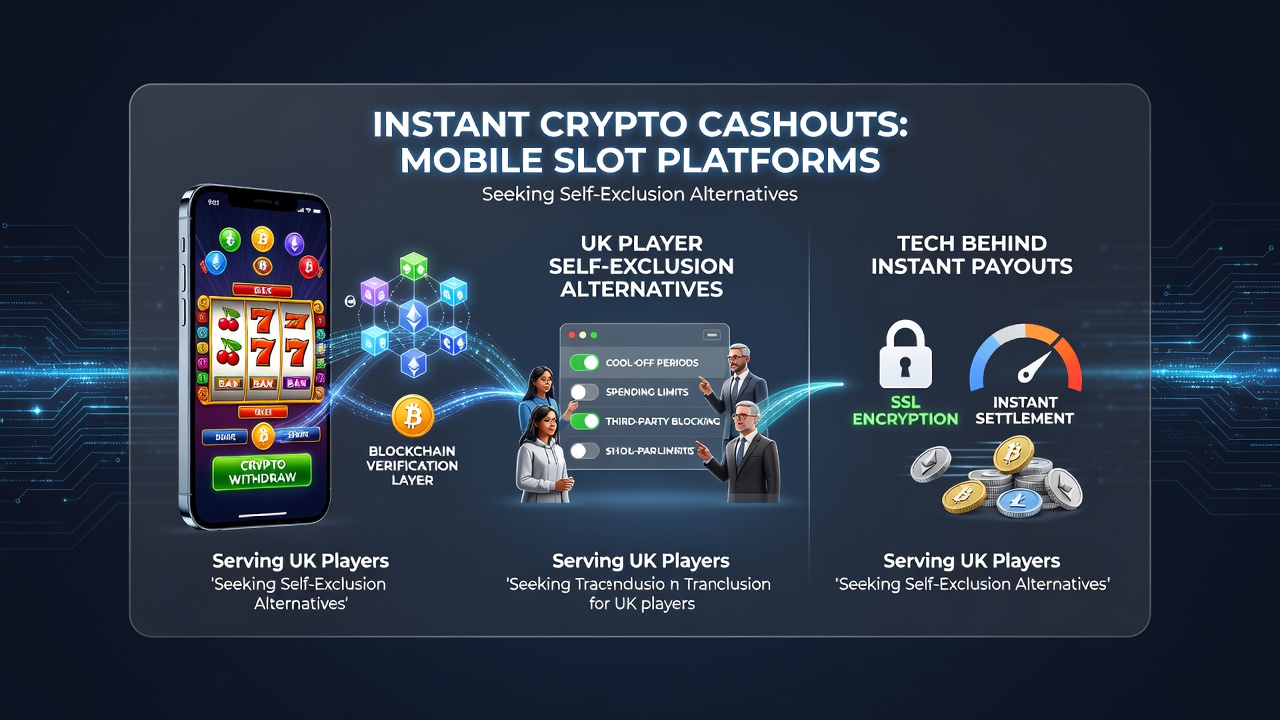
Platforms handling mobile slot games for UK players incorporate blockchain protocols and wallet APIs to facilitate rapid cryptocurrency withdrawals, and these systems rely on distributed ledger technology that records each transaction across multiple nodes while maintaining verification through consensus mechanisms. Data from industry reports indicates that transaction speeds improve when networks such as the Lightning Network layer atop Bitcoin infrastructure, allowing off-chain settlements that complete in seconds rather than the ten-minute average block confirmation times typical of on-chain Bitcoin transfers.
Core Components of Crypto Cashout Systems
Mobile applications integrate software development kits from providers including MetaMask and Trust Wallet, which connect directly to users' private keys stored on device hardware or secure enclaves, and these integrations enable slot platforms to initiate withdrawals by generating signed transactions that broadcast to the chosen blockchain without requiring centralized intermediaries. Observers note that smart contract functions automate payout logic once predefined conditions such as wager completion thresholds are met, reducing manual processing steps that traditionally extend settlement periods.
Encryption standards including AES-256 and elliptic curve cryptography protect transaction data during transmission between the mobile device and node networks, while multi-signature requirements add layers where multiple private keys must authorize larger withdrawals. Research from academic sources on distributed systems shows that such architectures lower single-point failure risks compared to traditional banking rails that route through payment processors subject to batch processing delays.
Mobile Optimization and Network Integration
Developers optimize these platforms for iOS and Android environments by embedding lightweight blockchain clients that sync only relevant transaction data rather than full node histories, and this approach conserves bandwidth while supporting push notification alerts for deposit confirmations or withdrawal status updates. As of August 2026 figures from technology analyses reveal continued growth in mobile crypto transaction volumes across gaming sectors, driven by improvements in 5G connectivity that minimize latency during real-time balance updates.
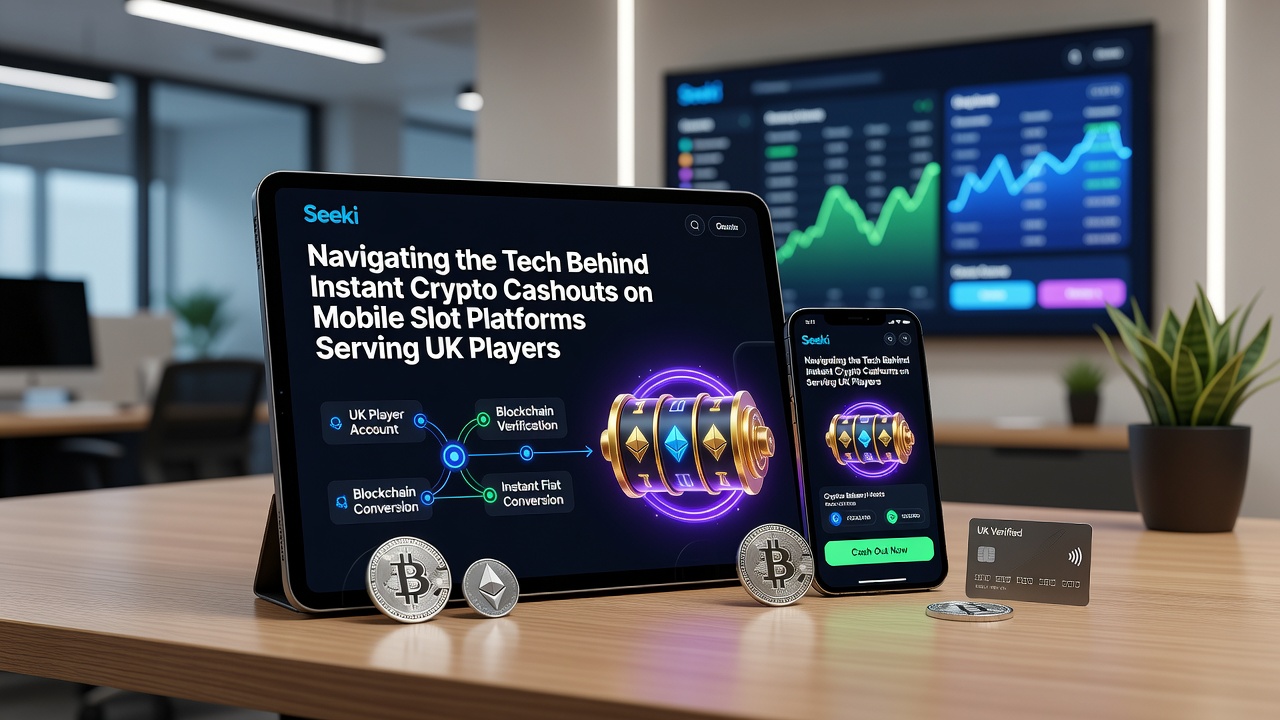
Cross-chain bridges facilitate movement between assets such as Bitcoin and stablecoins like USDT on networks including Tron or Solana, where lower fees and higher throughput support the frequent small-value transactions common in slot play; yet compatibility testing ensures these bridges maintain atomic swap properties that prevent loss during asset exchanges. Industry organizations tracking digital asset adoption report that platforms utilizing these methods achieve sub-five-minute average completion times when network congestion remains moderate.
Security Protocols and Verification Flows
Two-factor authentication combines time-based one-time passwords generated on the device with biometric checks such as fingerprint or facial recognition native to mobile operating systems, and these steps precede any withdrawal request submission to the platform's backend. According to studies on cryptographic applications in financial technology, zero-knowledge proofs allow platforms to verify user eligibility for bonuses or limits without exposing underlying wallet addresses or transaction histories to third parties.
Transaction monitoring tools scan for patterns indicative of unusual activity, flagging addresses linked to known high-risk entities through open-source intelligence databases maintained by cybersecurity firms, while the decentralized nature of blockchain ensures that once a withdrawal broadcasts successfully it cannot be reversed by the platform itself. Those who analyze payment system performance note that this finality property distinguishes crypto methods from card-based systems that permit chargebacks within extended windows.
Regulatory Context and Technical Adaptations
Platforms serving regions outside direct oversight from certain national bodies adapt their compliance modules to incorporate voluntary self-exclusion lists compiled by international associations, and these lists integrate via API calls that block account access upon matching criteria without storing full personal data on the platform servers. A report from the European Union Agency for Cybersecurity highlights how such privacy-preserving designs align with data minimization principles in digital service regulations.
Wallet address whitelisting features let users pre-approve destination addresses for repeated withdrawals, bypassing repeated manual entry that introduces error risks, and gas fee estimation algorithms within the app calculate optimal network parameters to balance speed against cost during peak periods. Data indicates these automated adjustments maintain consistent performance across varying market conditions for cryptocurrency valuations.
Conclusion
The combination of layered blockchain protocols, secure mobile SDKs, and automated contract execution forms the foundation for instant crypto cashouts on these slot platforms, with ongoing developments in scalability solutions such as rollups promising further reductions in confirmation times. External analyses from sources including NIST publications on distributed ledger systems and ENISA cybersecurity assessments continue to document evolving standards that influence implementation choices across the sector.